Author: admin
How Startups in the UAE Can Simplify VAT Return Filing
How Startups in the UAE Can Simplify VAT Return Filing
Starting a business in the UAE offers great opportunities. However, it also comes with important tax responsibilities. One of the most common challenges startups face is VAT return filing. The UAE tax system aims to be simple, but many new entrepreneurs feel overwhelmed by it. Incorrect filings, missed deadlines, or incomplete compliance can lead to costly penalties.
That is where professional guidance becomes essential. At Alliance Prime accounting and tax consultancy, we help startups and small businesses with VAT returns in the UAE. We are an FTA-approved tax agent. We ensure compliance and provide peace of mind. With the right help, filing VAT returns can be easier. This lets entrepreneurs focus on growth, not paperwork.
Understanding VAT in the UAE
The Value Added Tax (VAT) was introduced in the UAE in 2018 at a standard rate of 5%. Any business with taxable supplies or imports over AED 375,000 a year must register for VAT. Startups that cross this threshold need to:
- Register with the Federal Tax Authority (FTA).
- Charge VAT on eligible sales.
- File VAT returns quarterly or monthly, depending on their registration.
- Keep proper accounting records for at least five years.
For new businesses, these steps may feel complicated. This is true, especially when juggling finances, operations, and growth. That is why working with a VAT tax consultant makes the process smoother.
Why VAT Return Filing Is Challenging for Startups
Startups often operate with lean teams and limited resources. Here are the common difficulties they face with VAT:
- Record-keeping – Many new businesses struggle to maintain accurate invoices and expense records.
- Understanding exemptions: Some goods and services are zero-rated or exempt. This can be confusing.
- Deadlines – Missing submission dates can result in fines from the FTA.
- Errors in filing – Mistakes in calculations can lead to compliance issues.
- Cash flow impact – Businesses must plan for VAT payments and manage operating costs.
Having a VAT expert on your side eliminates these risks. A qualified consultant makes sure filings are accurate and deadlines are met. They also keep the business compliant at all times.
The Role of Alliance Prime accounting and tax consultancy
As an FTA-approved tax agent, we provide tailored solutions for startups. Our services include:
- VAT registration for startups
- Simplified VAT filing UAE with step-by-step support
- Regular review of accounts to ensure compliance
- Assistance with VAT audits and queries from the FTA
- Guidance on VAT refunds for eligible businesses
We act as your trusted partner. This helps you avoid costly mistakes. You gain clarity and control over your tax obligations.
Benefits of Hiring a VAT Tax Consultant in Dubai
Working with a professional VAT tax consultant offers several advantages for startups:
- Ensure that you file every return with accuracy.
- Time-saving – Focus on running your business while experts handle compliance.
- Cost efficiency – Avoid penalties and interest charges.
- Expert advice – Stay updated with the latest FTA regulations.
- Scalability – As your business grows, your tax strategy adapts with it.
This is especially important for businesses in Dubai. Competition is high, and compliance helps build trust with customers and partners.
VAT Return Process for Startups in the UAE
Filing a VAT return involves the following steps:
- Collecting sales and purchase invoices.
- Determining output tax (VAT collected on sales).
- Calculating input tax (VAT paid on purchases).
- Submitting the VAT return form on the FTA portal.
- Paying any due VAT to the FTA before the deadline.
These steps look easy. But mistakes in calculations or missing documents can cause big problems. Most startups in Dubai prefer VAT filing solutions or work with a VAT expert.
Corporate Tax and Beyond
The UAE has introduced a corporate tax. This adds new responsibilities for businesses. Startups now need to consider both VAT and corporate tax compliance. Alliance Prime accounting and tax consultancy is a trusted partner and best corporate tax consultant. They provide corporate tax consultancy and also offer VAT support. This ensures businesses receive a complete tax strategy instead of fragmented solutions.
Our team has skilled corporate tax consultants and VAT experts. They work closely with clients to:
- Register for corporate tax where applicable.
- Optimize tax planning to reduce liabilities.
- File corporate tax returns in line with FTA regulations.
- Provide ongoing advisory for compliance and reporting.
UAE startups enjoy a full tax solution. They combine corporate tax advice with VAT services.
How to Avoid VAT Penalties in Dubai
FTA imposes strict penalties for late filing or incorrect VAT submissions. These can include:
- AED 1,000 for the first missed deadline.
- AED 2,000 for repeated delays within 24 months.
- Up to AED 50,000 for inaccurate returns or false records.
To avoid these fines, startups should:
- Maintain accurate records.
- Track deadlines carefully.
- Seek assistance from a VAT tax consultancy.
- Regularly review accounts with a VAT expert.
Digital VAT Filing Solutions
Technology also plays a vital role in simplifying tax compliance. Many startups in the UAE are using VAT filing software. It helps them automate calculations, create reports, and connect with accounting systems. While software reduces manual errors, it cannot replace professional judgment. Combining technology with guidance from a VAT tax consultant ensures accuracy and compliance.
Practical VAT Filing Tips for Startups
- Register for VAT as soon as your revenue reaches the threshold.
- Keep electronic records of every invoice.
- Separate taxable, zero-rated, and exempt sales clearly.
- Review accounts monthly instead of waiting until the deadline.
- Consult a VAT expert before making major business changes.
Conclusion: Simplifying VAT with the Right Partner
Startups in the UAE may find managing VAT and corporate tax tough. Expert guidance can help a lot. Success comes from working with experts. They understand the system, the rules, and the challenges of growing a business.
At Alliance Prime accounting and tax consultancy, we unite skilled VAT consultants, corporate tax experts, and dependable advisors. This team provides a full solution for startups. Need help with VAT filing, corporate tax planning, or compliance? Our team keeps your business ahead.
Get in touch today. We can help you simplify your VAT return filing. Let’s also build a strong financial foundation for your startup in Dubai.
Step-by-Step Guide to Filing VAT Returns Accurately

The UAE’s carefully controlled tax structure makes Value Added Tax (VAT) vital to a business’s finances. Understanding and completing VAT return filing is a legal necessity and a critical step in financial health for any organisation. Incorrect VAT filings may result in fines and audits that damage your business’s reputation and cash flow.
This basic, step-by-step guide will help you file VAT return correctly. Mastering this technique will assist company owners and accountants in complying with the Federal Tax Authority (FTA) and prevent expensive blunders. Stay tuned as we explain each step to help you submit VAT returns confidently.
What is VAT?
Value Added Tax (VAT) is a consumption tax on products and services at each step of production or delivery. When a firm sells products or services, it passes on the tax to the customer. Many nations, like the UAE, charge VAT as a percentage of the selling price.
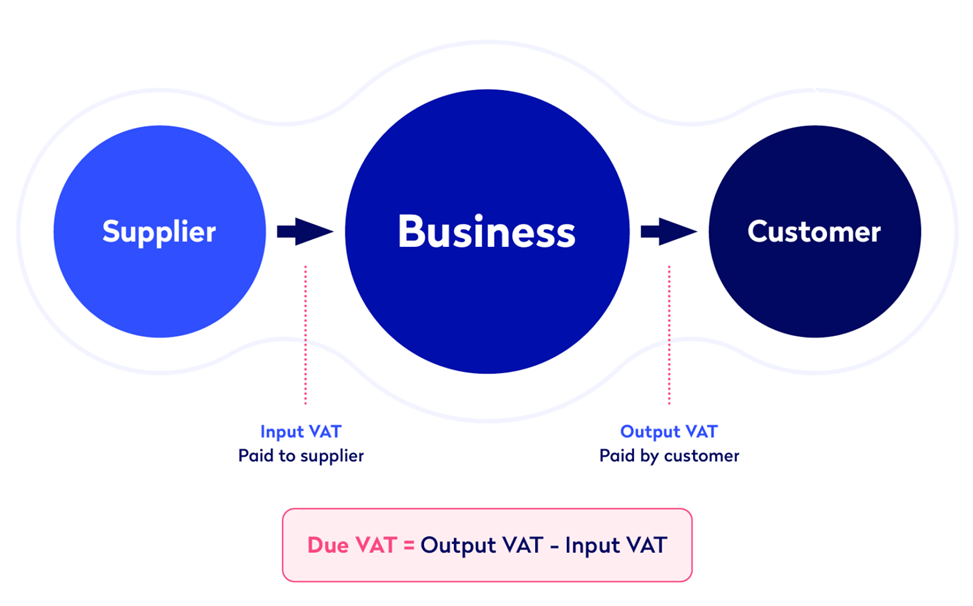
VAT taxes the difference between sales taxes and purchase taxes for companies. Businesses may demand VAT refunds from tax authorities if they paid more VAT on purchases than sales.
VAT is crucial to the UAE government’s revenue generation and diversification away from oil. To avoid Federal Tax Authority fines and collect VAT, businesses must follow VAT laws.
Why Accurate VAT Filing is Crucial?
UAE firms must file VAT accurately, not merely for good practice. Incorrect VAT files may result in fines, penalties, or even criminal accusations. The Federal Tax Authority (FTA) enforces VAT compliance, and tax return disparities may lead to audits and investigations.
Failure to complete VAT returns properly might potentially have serious financial consequences. Late filings, underreporting tax liabilities, and inaccurate data result in an FTA penalty. These fines might swiftly drain your company’s finances. Repeated VAT reporting mistakes might lead to greater fines or legal action against the firm.
Besides financial loss, improper VAT filings may ruin your business’s image. It may damage your business’s reputation and compliance with local tax laws with customers, partners, and investors. Continuous FTA noncompliance may cost companies opportunities and slow development.
By reporting VAT correctly and on time, you avoid expensive fines and preserve a good company reputation, providing you peace of mind and the flexibility to concentrate on development and success.
Understanding VAT Returns
Companies must submit VAT returns to disclose the VAT they charged on sales and paid on purchases. These returns inform the Federal Tax Authority (FTA) about your business’s VAT activity, enabling them pay the proper amount. A VAT return reconciles what your firm owes or owes the government based on its VAT transactions over a period.
VAT return types vary by company filing frequency. Most UAE firms must file VAT returns monthly or quarterly, depending on taxable revenue. Larger companies that do a lot of business may file reports every month, while smaller companies may file reports every three months.
The FTA’s web portal simplifies the VAT submission process. Businesses may log onto the site, input sales and purchase information, and submit their return to the FTA. This digital VAT filing method is simpler, quicker, and more efficient. To avoid mistakes and fines, you must carefully analyze and check all of your effort before submitting it in.
Step-by-Step Guide to Filing VAT Returns
1. Gather Required Documentation
Before you fill out your VAT returns, you’ve to make sure that all of your necessary documents are accurate. This includes:
- Invoices: Get all sales invoices, including VAT. These should clearly show transaction data and VAT.
- Receipts and Tax Documents: Collect receipts from purchases of products and services that have VAT already paid for them. Include clear information about VAT amounts in these slips.
- Bank Statements and Payment Records: Use bank statements and payment records to verify VAT activities across payments and receipts. All records should show real money coming in and going out. Sort these documents by date and type to make filing for VAT easier. Classify sales and purchase transactions by taxable, exempt, or zero-rated products in distinct files. This clarifies VAT due and refundable calculations. A well-organised record-keeping system simplifies VAT filing and protects your firm against FTA audits.
2. Calculate VAT Payable
Calculate VAT for the tax period after collecting all documents. This includes two crucial calculations:
- VAT on Sales (Output Tax): Your customers pay this VAT on purchases. The UAE VAT rate is 5%; therefore, double the selling price by that.
- VAT on Purchases (Input Tax): The charge for products or services acquired for your firm. Purchase invoices usually reflect VAT.
To calculate VAT, subtract input tax from output tax. If your firm paid more VAT on purchases than sales, the FTA may reimburse you.
You must differentiate between VAT-exempt and VAT-taxable goods/services. This helps you calculate correctly.
3. Review VAT Payments and Credits
Check the VAT credits and payments to make sure you collect the right amount. Follow these steps:
- VAT Paid on Expenses: Make sure you are VAT-crediting the appropriate company costs. It is possible to claim VAT back on office materials, energy, and other business purchases. Do not make claim mistakes by not including all costs needed for the business to run.
- Bad Debts and Refunds: Follow the VAT paid on sales that have not been paid for or are marked as bad debts. You might need to remove bad debts from your VAT return if you have already paid VAT on them. Bad debt changes keep you from having to pay too much VAT under the FTA.
Check all records for missing transactions or VAT credits, since this might affect your VAT return and refund.
4. Complete the VAT Return Form
The VAT return form is available after collecting your documents and computing your VAT. Businesses may file VAT returns online via the FTA.
- Accessing Form: Enter your FTA credentials and go to the VAT refund section. In addition, select monthly or quarterly filing and open the VAT return form.
- Filling Out the Form: Enter amounts for output tax, input tax, and VAT payable/refundable. Refer to your manual to complete all fields correctly.
- Common Mistakes: Do not do things wrong, like using the wrong VAT rates, putting the wrong labels on your sales and purchases, or not having any bills. However, these mistakes could lead to problems, reports, and fines.
5. Verify and Submit the Return
Before filing your VAT return, check all information:
- Verify Calculations: Check that the amounts you calculated for VAT are correct. Furthermore, check the VAT amounts and rates again.
- Cross-Reference Documents: Verify figures in the return against invoices, receipts, and statements.
After reviewing everything, click submit on the FTA site. The FTA will submit your VAT return and provide you with a receipt. To avoid late filing penalties, file the return on time. To avoid penalties, pay VAT before the deadline.
Common Mistakes to Avoid While Filing VAT Returns
VAT returns are complicated, and even slight errors might result in fines or audits. Here are some typical mistakes to avoid while filing your return:
1: Missing or Incorrect Invoices
Common blunders include missing or inaccurate invoices, such as missing sales and purchase invoices or entering incorrect facts. If you miss an invoice, you might report less than or more than the correct amount of sales or purchases on your VAT return. Make sure all invoices account for VAT and reflect it.
2: Miscalculating VAT Payable or Refundable
Calculation mistakes are common while handling several transactions. Double-check your sales and purchase VAT figures. Small mistakes might cause big differences and costly penalties.
3: Failure to Report Exempt or Zero-Rated Supplies
In the UAE, some products and services are VAT-exempt or subject to zero tax. Not categorising items appropriately in your VAT return might result in noncompliance. Report sales and purchases of exempt or zero-rated products appropriately.
4: Not Submitting on Time
Failure to submit VAT returns on time may result in fines. You must file your return on time to avoid penalties. Set reminders to submit taxes and pay on time to be compliant.
Simplify Your VAT Filing Process with Alliance Prime
Alliance Prime Accounting & Tax Consultancy UAE knows VAT compliance may be complicated and time-consuming for companies. Our skilled accountants and tax experts will help you register, file, and comply with VAT properly and effectively.
Our VAT consultancy services include VAT registration, VAT returns, and VAT planning. Alliance’s knowledge of UAE tax laws and changes to regulations means that VAT returns are always correct and on time, which lowers the risk of fines or audits.
We handle your VAT tasks professionally, giving you peace of mind. Alliance Prime Accounting and Tax Consultancy UAE will help you avoid expensive errors and remain compliant. Get experienced VAT advice and help for your company now.
Conclusion
VAT reporting accuracy is crucial for UAE tax compliance and penalty avoidance. You may avoid audits and penalties by keeping accurate records, computations, and deadlines. For seamless filing, keep organised and up-to-date on tax laws. If you are uncertain or overwhelmed, expert advice may make all the difference. Our VAT return experts at Alliance Prime Accounting and Tax Consultancy UAE help you submit swiftly and properly. Contact us for VAT management ease.
Top 10 Tax Consultants in Dubai

Dubai, formerly tax-free, has adopted a number of new taxes and rules for companies. In 2023, the UAE introduced 9% corporate tax on revenues above AED 375,000, a major tax reform. This change, along with VAT and excise taxes, has complicated the regulatory structure for local and international businesses to avoid penalties and comply.
Professional tax consultants are more important than ever in this changing tax situation. A tax consultant is a strategic partner that helps your organisation flourish while complying with changing laws. Tax consultants optimise tax efficiency, ensure VAT compliance, and prepare for corporate tax revisions to improve businesses’ finances.
How can you receive the best tax guidance with changing regulations? Top tax consultants help with that. This blog introduces the top 10 tax consultants in Dubai, including Alliance Prime Accounting and Tax Consultancy UAE, to assist you in making a smart selection for your business’s success.
1. Alliance Prime Accounting and Tax Consultancy UAE
Alliance Prime Accounting and Tax Consultancy UAE is a trusted name among the top 10 tax consultants in Dubai. This firm has helped local and foreign companies manage the UAE’s difficult tax environment for years. They provide strategic tax law advice that suits financial and local needs.
Alliance Prime offers several services:
- Tax Consultancy: Provides experienced assistance on corporate, individual, and VAT taxes to ensure compliance with UAE rules.
- VAT Services: Provides full VAT registration, filing, and compliance services, including advise on exemptions and refund claims.
- Corporate Tax Services: Alliance Prime offers Corporate Tax Services, assisting firms in structuring operations to reduce tax payments.
- Individual Tax Advice: They provide personalised tax advice for expatriates and residents to reduce personal tax liability.
- Tax Planning & Structuring: The business offers strategic planning to optimise efficiency and minimise risks.
Personalisation is what makes Alliance Prime stand out. The business gets to know each customer and makes its products and services fit their needs.Many reviews praise the company’s thorough research and effective tax methods, demonstrating its attention to detail and customer satisfaction. Businesses trust the team because they can provide strategic tax guidance that assures compliance and boosts profitability.
2. Deloitte Middle East
Deloitte, a multinational tax consultant, offers a broad variety of services to Dubai and UAE companies. They have worked as part of Deloitte for decades and have a lot of experience in finance and taxes. Multinational firms, local enterprises, and entrepreneurs needing complicated tax advice visit their Dubai headquarters.
Deloitte is a top option for firms seeking a variety of tax services. Their main areas of expertise are:
- Corporate Tax: Assist firms on tax-efficient structures and tactics.
- Transfer Pricing: Complying with foreign standards and minimising risks.
- VAT Compliance: Assisting companies with registration, filing, and compliance with UAE tax laws.
- International Tax Planning: Advising firms on tax compliance and optimisation for worldwide businesses.
Deloitte’s worldwide reach and local knowledge make it famous. Because they have so many contacts, they can give you world knowledge and UAE tax experience. Businesses seeking trustworthy, high-quality tax assistance choose Deloitte due to its unique mix of worldwide knowledge and local skill.
3. PwC (PricewaterhouseCoopers) UAE
PwC is a reputable tax consultant known for its wide variety of services and experience. PwC has an excellent track record in the UAE for helping firms understand tax rules with its highly experienced staff members. With an impressive network and local expertise, PwC remains a go-to choice on any list of the top 10 tax consultants in UAE.
PwC offers a variety of tax services to address the requirements of companies, such as:
- Corporate Tax Advisory: Expert advise on tax-efficient structures and tactics.
- VAT and Excise Tax Services: Businesses get complete VAT and Excise Tax services, including registration, compliance, and filing.
- Cross-Border Tax Planning: Assisting multinational firms with worldwide tax planning and compliance for seamless operations across borders.
PwC’s long history of excellent tax consulting services contributes to its reputation. PwC’s global experience, local market knowledge, and global tax expert network provide firms unrivalled service. Businesses seeking proficient and forward-thinking tax counsel choose them because they can negotiate complicated UAE and worldwide tax concerns.
4. EY (Ernst & Young)
EY, a multinational tax consulting and advising firm, has a strong reputation in Dubai. EY offers innovative, industry-specific tax management options to companies in a changing regulatory environment. Their Dubai office is a hub for enterprises seeking EY’s worldwide experience while navigating the UAE tax system.
EY provides comprehensive tax services to companies of all sizes. Their main services are:
- Business Tax Advisory: Strategic planning and professional help for tax optimisation.
- Global Compliance: Securing international tax compliance for organisations with cross-border activities.
- Tax Efficiency Strategies: Advising firms on tax efficiency strategies to simplify procedures, reduce obligations, and improve financial performance.
EY sets itself distinct with its client-centric strategy. Understanding each client’s needs and objectives, they customise services. Each staff member establishes long-term relationships to assist companies adjust to tax and market changes.
5. KPMG UAE
World-leading audit, tax, and consultancy firm KPMG has a large presence in Dubai. With years of UAE expertise, KPMG can provide clients with complete tax consulting services. Due to its global network and local understanding, the organisation can tailor solutions for startups and large companies. KPMG’s UAE tax knowledge makes them a valued partner for firms managing compliance and tax planning.
KPMG provides a variety of tax services, including:
- Corporate Tax Services: Assist firms in complying with local and international tax laws and organise operations for tax efficiency.
- Transfer Pricing: The company provides specialised services to enable firms to comply with worldwide rules and minimise tax disputes.
- Tax Compliance & Reporting: KPMG helps firms file VAT and corporate taxes appropriately and timely manner.
- Mergers & Acquisitions Tax Advisory: The company guides firms through the tough tax implications of M&A deals.
KPMG’s worldwide expertise and reputation make it a top option for firms seeking trustworthy and strategic tax assistance. Due to their global network and local tax law experience, KPMG offers complete tax solutions. Their client-centric approach tailors tax solutions to company needs and long-term goals. The UAE tax consultancy industry trusts KPMG for compliance and efficiency.
6. Crowe UAE
The Crowe network provides high-quality audit, tax, and consulting services worldwide, including Crowe UAE. The Dubai branch provides personalised tax advising services to SMEs and big organisations. Crowe’s customised solutions are based on understanding each client’s specific issues. Crowe customises its services to meet the requirements and goals of each client, guaranteeing compliance and optimising tax arrangements.
Crowe UAE provides several tax services:
- Tax Planning: Advising firms on tax strategies to reduce obligations and boost tax status.
- VAT Services: Helping businesses register, follow the laws, and file their returns so they can meet UAE VAT standards.
- Corporate Restructuring: Giving advice on how to restructure a business so that it pays less in taxes and follows all the rules.
- Compliance Services: Ensure clients pay all taxes, including VAT and corporate tax, to prevent fines.
Crowe’s personalised, client-specific solutions set them apart in the competitive tax consultant industry. They can guide firms through tax laws due to their extensive knowledge of local and worldwide tax trends. Crowe’s commitment to customising methods to meet clients’ requirements ensures the best tax results. Crowe’s emphasis on customisation and customer satisfaction makes it a good alternative for firms seeking trustworthy and thorough tax advising services.
7. Grant Thornton UAE
Grant Thornton, a multinational accounting and consultancy company with a significant UAE presence, provides a comprehensive range of tax services to firms in different sectors. Grant Thornton manages UAE tax issues for customers with its company tax consultancy skills. They advise firms on local and worldwide tax compliance with a team of professionals.
Grant Thornton provides several tax services, including:
- Tax Audits: Perform comprehensive tax audits to verify compliance with tax laws and regulations for firms.
- Tax Compliance: Assisting companies with tax compliance, including VAT, corporate tax, and local taxes.
- International Tax Advisory: Assisting multinational firms in complying with global tax regulations and minimising tax costs.
Grant Thornton excels in supporting companies in difficult tax conditions. Well-known for resolving complex international tax issues and local laws due to its experience and efficiency, this firm shines out.
8. RSM UAE
RSM UAE, part of the worldwide RSM network, offers personalised tax consultation. The firm’s local understanding and global vision make it a useful partner for UAE and worldwide firms. RSM tailors tax solutions for individuals, SMEs, and international organisations. Their proactive approach helps clients comply with UAE tax laws and enhance their tax plan for long-term success.
RSM UAE offers several tax services:
- Tax Compliance: Ensure firms comply with the latest VAT and corporate tax laws.
- Tax Advisory Services: Offering advice on how to minimise penalties and make the best use of tax strategies.
- Expatriate Tax Services: Customised services for UAE expats to manage personal tax requirements.
- VAT Consulting: Helping companies manage registration, compliance, and filing to avoid fines.
RSM has a good image because we put our clients first. RSM is known for its proactive solutions that anticipate issues and meet customer needs. Their high-quality, personalised tax advice has gained them the confidence of customers across industries.
9. Baker Tilly UAE
Baker Tilly, a global network of independent audit, tax, and consulting firms, has extensive local and regional tax expertise in the UAE. With a team of tax experts with years of experience, the company offers high-quality tax advice. Baker Tilly customises its services to UAE firms’ individual needs, whether it is VAT or corporate tax management.
Baker Tilly’s tax services are extensive and specific to Dubai and other firms’ needs:
- Corporate Tax Services: Baker Tilly provides tax structuring advise to optimise firms’ tax situation and comply with UAE tax rules.
- VAT Consultancy: They assist firms with registration, compliance, filing, and refund claims to satisfy tax responsibilities.
- Tax Reporting and Compliance: The organisation helps firms prepare tax returns and comply with the UAE’s developing tax laws.
- International Tax Advisory: Their International Tax Advisory service helps organisations with cross-border activities decrease tax bills and manage global tax risks.
Baker Tilly is known for its client-first approach and business-focused solutions. Beyond compliance, their professionals advise organisations on tax efficiency. Baker Tilly’s worldwide network and local understanding assist companies understand UAE tax law and improve their tax strategy.
10. Protiviti UAE
Global risk management and tax advising business Protiviti has a significant UAE presence. Protiviti helps organisations manage complicated laws with tax planning and risk prevention. Their client-focused approach helps companies discover and address tax issues and comply with local and international tax rules.
Protiviti provides a variety of services, such as:
- Corporate Tax Advisory: Gives strategic guidance on tax structure and compliance to minimise tax payments.
- Risk and Compliance Services: Protiviti provides risk management services to help firms comply with regulations and avoid fines.
- Cross-Border Tax Advisory: The business provides cross-border tax advisory services to multinational companies, guaranteeing compliance with global tax rules and optimising tax efficiency across borders.
The combination of tax and risk management skills defines Protiviti. They assist firms in complying with tax rules and decreasing tax and regulatory risks. This complete package helps organisations traverse complicated tax environments and optimise risk management.
Conclusion
With the constantly evolving regulatory environment, companies often find it difficult to navigate the UAE’s tax landscape. However, the appropriate tax expert may reduce this burden and give strategic advise for company success. The top 10 tax consultants in Dubai, in this post, including Alliance Prime Accounting and Tax Consultancy UAE, provide customised tax solutions to organisations of all sizes.
Each company delivers a unique combination of local experience and global insights to help companies comply with tax laws and optimise tax strategies for long-term success. This list includes consultants who can assist startups, SME, and large companies to handle tax laws and maximise tax efficiency.
Choosing the appropriate tax expert might boost your business’s finances. This is why you must evaluate each business based on its specialisation, strategy, and success rate to guarantee you obtain the greatest service for your requirements.
Alliance Prime Accounting and Tax Consultancy UAE can give personalised, strategic tax assistance to help companies manage the UAE tax system.
UAE Tax Rates: Guide on Taxation in Dubai

Have you heard that the UAE, which used to be known for not having any taxes, finally put in place a corporate tax after 50 years? This change in economic strategy has an impact on companies and businesses in Dubai and the UAE. The UAE is a great place to do business, but the tax rules are changing quickly.
It is more important than ever for businesses to understand the UAE’s tax rules and rates. Understanding the UAE’s tax system could change how you handle your money and stay in line as a startup or international company. From the 9% corporate tax on income over AED 375,000 to the 2018 VAT plan, it is important to follow these rules to avoid fines and make the most of your tax payments.
Companies need to know about the UAE’s new corporate tax system, VAT, and other tax rules to do well in this fast-paced market. Stay tuned to find out more:
The Corporate Tax Reform: What You Need to Know

In recent years, the UAE set up a corporate tax to help its economy grow and to follow global tax rules. For many years, the UAE’s lack of taxes drew in businesses from around the world. The UAE adopted a corporate tax to comply with international tax rules in a changing global tax climate. This policy seeks to improve tax sustainability and fairness while boosting long-term economic development.
So why change? Many factors drove this change. The UAE aims to become a competitive global financial powerhouse first. Corporate tax helps the government fulfil worldwide tax standards like the OECD’s Base Erosion and Profit Shifting (BEPS) framework. Economic diversification is another cause. The UAE depends significantly on oil revenue; thus, corporate tax will broaden the tax base and balance the economy.
Businesses, particularly multinational companies, are greatly affected. The tax rate may be modest compared to other nations, but it adds complexity that companies must prepare for. Companies must arrange their taxes more strategically to reduce their tax payments.
The corporate tax began in 2023 and required enterprises to submit their first tax filings in 2024. Companies had plenty of time to respond to the new requirements, but they were suggested to start planning earlier. The UAE has defined tax return dates, so keeping ahead is crucial.
The UAE is entering a new era, and firms that expect and adapt to tax changes will succeed.
Who is Subject to Tax in the UAE?
The major concern for UAE company owners is: Do I have to pay corporate tax? Let’s discuss.
Corporate tax applies to most UAE companies, whether mainland or international. If you earn taxable income, corporate tax applies. The good news? Small companies and startups benefit from the UAE’s tiered tax system—0% on earnings up to AED 375,000 and 9% on revenues beyond that.
Who is Exempt?
Now, not everyone pays corporate tax. Essential exemptions:
- Government Entities: State-run or government-controlled businesses are exempt.
- Certain Industries: Such as oil and gas, public benefit organisations, and investment funds, may be excluded under certain circumstances.
What About Multinationals, Small Businesses & Startups?
Suppose your worldwide turnover is above €750 million. In that case, you may be subject to extra requirements under Pillar Two GloBE, required to pay a minimum tax internationally.
This new system is good for startups and small enterprises. 0% tax applies to yearly earnings under AED 375,000, letting you grow tax-free.
What’s the key takeaway? It is very important for companies in the UAE to understand and follow the tax system. If you know how to manage taxes, your business—new, old, or global—will work more smoothly!
Understanding the UAE Corporate Tax Rates

Now we’ll explore the UAE’s corporate tax rates, it is simpler than it seems! In the UAE, taxes go up over time, which is fair and helps the country grow.
- 0% Tax Rate: Companies earning up to AED 375 000 annually are exempt from corporate tax. This would help small businesses and companies that want to grow without paying taxes on it.
- 9% Tax Rate: On earnings above AED 375,000. This is a competitive rate relative to other countries, particularly as lower-profit firms are excluded.
If you run a profitable company, the UAE is still one of the most tax-friendly countries.
MNCs (Multinational Companies) and other big companies have additional layers to consider. Pillar Two GloBE applies to companies with €750 million or more in worldwide sales. The international tax system makes sure that companies with operations all over the world pay the same amount of tax on their profits. It is important for the UAE to follow global rules and make sure that big businesses pay fairly everywhere.
Let’s look at these rates in a bigger picture. The 9% tax on earnings above AED 375,000 is modest compared to other nations. For instance, the US and UK have corporate tax rates of 20-25% or more for bigger enterprises. It is clear why the UAE remains a commercial hub when comparing prices. The UAE has one of the most business-friendly tax systems, particularly for small and medium-sized firms, while ensuring that bigger corporations pay their due amount.
Free Zones and Tax Exemptions: What’s the Deal?
If you are looking for business opportunities in the UAE, you have certainly heard about “Free Zones”. Free Zones, what are they and why should you care? Let’s see.
Businesses in Free Zones get 100% tax exemptions on revenue and earnings for 15–50 years. These zones attract international investment and house technology, logistics, media, and finance. Best part? Many international investors like that they give 100% foreign ownership of enterprises without a local partner.
Eligibility for Free Zone Exemptions & Conditions
Although tax exemptions seem nice, there are some restrictions. Not all Free Zone enterprises are tax-exempt. To get tax-free status, firms must fulfil specified requirements, such as:
- Operating within the Free Zone’s designated industry (e.g., IT, media, manufacturing).
- Follow Free Zone Authority standards, such as establishing a physical office and keeping a minimum number of staff.
Some Free Zones exclude import/export tariffs, further lowering company costs.
How Businesses Can Leverage Free Zone Incentives
Free Zones are goldmines for firms looking to save costs and flourish. Set business in a Free Zone to:
- Tax exemptions and customs benefits can help lower your running costs.
- Use the Free Zone’s strategic position and amenities to attract worldwide clients.
- As you grow your business, do not pay too many taxes that cut into your profits.
Suppose your company falls within a Free Zone. In that case, it is a great opportunity to take advantage of the UAE’s tax-friendly climate and position it for worldwide success.
Tax Planning and Compliance: Ensuring Your Business Stays on Track
Tax compliance may be a maze when you are growing your company. Tax compliance in Dubai and the UAE does not have to be burdensome. Let us cover the necessities to keep your company running.
Each UAE company must submit an annual corporate tax return. You must generate correct financial accounts, declare income, and compute taxes. For at least five years, businesses must keep complete records of transactions and financial operations in case the tax authorities request them.
Due to strict filing deadlines, UAE taxpayers must plan. Most tax returns are due six months after the fiscal year ends. To avoid fines, file on time. If your tax return is incomplete or inaccurate, the government may punish or audit your firm.
Now, things have become captivating. Tax planning involves structuring your organisation to comply with rules and reduce obligations, not only paying less tax. Our Alliance Prime Accounting & Tax Consultancy specialists help here. Good tax advisors optimise tax strategies, keep you up to speed on legal developments, and explain tax deductions and exemptions.
Planning and professional help make tax compliance easier and prevent unpleasant surprises. Long-term tax planning saves money and helps your firm succeed in the UAE’s competitive market.
Pillar Two GloBE Rules: What Multinationals Need to Know
Multinational companies based in Dubai or elsewhere in the UAE have to know Pillar Two GloBE rules, a major aspect of the worldwide tax reform meant to guarantee huge firms pay a minimum tax on their earnings. Do not worry; we will simplify.
To combat multinational tax evasion, the OECD created the GloBE (Global Anti-Base Erosion) guidelines. These regulations require multinational companies to pay a minimum tax rate (typically 15%) on their revenues worldwide. The headquarters country may impose a “top-up” tax to meet the minimum tax if a multinational operates in a jurisdiction with a lower tax rate.
If your Dubai-based firm is part of a multinational group with a worldwide turnover exceeding €750 million, the GloBE system applies. The GloBE rules could force multinational firms located in the UAE to pay more taxes in low-tax countries, even if the UAE’s corporate tax rate is 9%.
Dubai-based global enterprises must comply with GloBE requirements by:
- Maintaining tax transparency by reporting earnings and taxes across countries.
- Determining effective tax rates in each country to assess extra tax obligations.
- Submitting reports proving conformity with requirements.
The GloBE standards add complexity to multinational organisations, but with adequate preparation and assistance, they can conform. Compliance helps you avoid fines and keeps your firm competitive globally.
VAT in the UAE: An Essential Overview for Businesses
VAT is one of the biggest UAE taxes. A consumption tax applies to most products and services in the country. If you run a company, you must understand VAT to prevent surprises and stay compliant.
By worldwide standards, the UAE’s VAT rate of 5% is moderate. The rate applies to most products and services, excluding healthcare, education, and some financial services. Businesses must pay VAT on products and services and may recover VAT input tax on business expenditures.
Let us discuss registration. If your firm sells over AED 375,000 annually, you must register for VAT. Once registered, you must submit VAT returns quarterly or yearly, depending on company size. VAT returns show how much VAT you have collected from consumers and paid on company transactions. The difference is your debt or refund.
VAT is complicated, and firms regularly make these mistakes:
- Lack of precise record-keeping, track VAT invoices and receipts.
- Be aware of VAT-exempt and chargeable sales to avoid confusion.
- Delaying submissions incurs fines. Set reminders!
Good planning and accounting may make VAT compliance easy. Avoid these mistakes and remain organised to keep your business legal.
The Role of Tax and Accounting Consultants in Navigating the UAE Tax System
The new inclusion of corporate tax has made UAE taxation complicated. Businesses need tax and accounting advisors like Alliance Prime Accounting & Tax Consultancy to navigate this maze of rules and compliance requirements. Professional guidance helps startups and large corporations meet tax responsibilities and reduce risks.
In corporate tax planning, VAT compliance, and financial record-keeping, tax advisers are crucial. Consultants know the UAE tax system well and can assist firms in managing their activities to save taxes. They also guarantee firms file VAT taxes properly and on schedule, lowering fines. Consultants also help Free Zone enterprises comprehend their tax exemptions to comply with local rules.
The benefits of hiring a tax adviser go beyond filing taxes. A tax consultant helps firms maximise deductions, exemptions, and other legal mechanisms to lower their tax payments. Consultants inform firms on new tax rules so they are ready for changes. Businesses may prevent expensive errors and fines by working with the correct tax professional, making tax compliance easier. Professional tax advice helps organisations concentrate on developing and succeeding in the UAE’s competitive market.
Conclusion
There are new tax rates and allowances in the UAE’s corporate tax system, and advisers play a key role in making sure businesses follow the rules. We also covered VAT, tax filing, and multinational corporate tax issues. UAE enterprises must stay abreast of these requirements to avoid fines and optimise tax planning.
Expert counsel is more crucial than ever due to tax changes. Businesses can easily navigate the system and maximise possibilities with competent tax experts. Contact a qualified adviser to keep your firm ahead in the competitive UAE market.
Difference Between Zero Rated VAT and Exempted VAT
The Value-Added Tax (VAT) was introduced in the UAE at a rate of 5% on 1 January 2018, aimed at establishing a new revenue stream for the Government. Since its implementation, businessmen are still trying to cope with new rules and regulations regarding VAT and are still confused between Zero-Rated VAT and Exempted VAT.
Since the introduction of VAT in the UAE, many businesses continue to face challenges in understanding and adapting to the regulations. A common source of confusion lies in distinguishing between Zero-Rated VAT and Exempted VAT. Despite being in place for several years, these categories often cause uncertainty among business owners, as the differences in tax treatment can significantly impact compliance and financial planning.
Understanding the nuances between these two VAT classifications is essential to avoid potential errors and ensure proper adherence to the rules set by the FTA.
The below article will help you understand the VAT concept and the mechanism behind Zero-Rated and Exempt supplies.
What is Value Added Tax (VAT)?
Value Added Tax is a form of indirect tax levied on the consumption of certain goods and services. VAT is added at each stage of the supply chain and in the form of a consumption tax that is ultimately borne by the end customer.

What are the types of VAT?
VAT can be divided into three major categories, depending upon the nature of supplies:
-
Standard-Rated VAT:
This category includes goods and services that are subject to the standard VAT rate of 5%. The Government of UAE has provided a detailed list of these goods, as described below in this article.
-
Zero-Rated VAT:
This includes goods and services that are exported to any GCC country that has not implemented VAT. In such cases, these goods are charged 0% VAT.
-
Exempted VAT:
This category includes goods and services that are not charged with any VAT. It means that they don’t incur any input or output VAT charges.
What are Zero-rated supplies in the UAE?
Zero-rated supplies, as defined by Federal Decree-Law No. (8) of 2017 on Value Added Tax (UAE VAT Law), are taxable supplies for which a VAT rate of 0% VAT is applied. This means that although VAT is technically levied on these supplies, the final price to the customer reflects no VAT charge. However, businesses making zero-rated supplies are entitled to recover the input tax they incurred on purchases related to those supplies.

List of Zero-rated Goods and Services under VAT in UAE
As per Article 45 of the Federal Decree-Law no (8) of 2017 on Value Added Tax, zero-rated supplies are followed:
- Educational Services: Zero-rated items include private and public-school education (excluding higher education), higher education provided by institutions owned by the government or 50% funded by the government, nursery and pre-school education, certain school activities, and educational school trips.
- Exports: Export of goods and services outside the GCC implementing states.
- Basic Healthcare: Preventive and basic healthcare services provided by approved entities (as per specific controls).
- Transportation: This covers international transportation of passengers and goods (including intra-GCC), including related services. This includes international flights and certain passenger transport within the UAE.
- Means of Transport: This includes the supply of airplanes, ships, and other vehicles used for passenger and goods transport (as defined by UAE regulations). It also covers related supplies for their operation, repair, and maintenance.
- Rescue and Assistance: Supplies for aircraft and vessels specifically designed for air and sea rescue operations.
- In-flight Supplies: Food, drinks, and other items consumed onboard airplanes, ships, and other approved transportation during travel.
- Investment Precious Metals: Gold, silver, and other precious metals meet specific purity standards for investment purposes (as defined by UAE regulations).
- New Residential Buildings: The first sale or lease of newly built residential buildings within 3 years of completion (as per specific controls).
- New Charitable Buildings: The first sale or lease of buildings specifically used by charities (as per specific controls).
- Converted Residential Buildings: The first sale or lease of buildings converted from non-residential to residential use (as per specific controls).
- Oil and Gas: The supply of crude oil and natural gas.
These zero-rated supplies allow businesses to apply a 0% VAT rate while still enabling them to reclaim input VAT on purchases related to these supplies.
What are Exempt Supplies in UAE?
Exempt supplies, unlike zero-rated supplies, are not considered as a taxable supply. This means that no VAT is levied on these supplies, and businesses making exempt supplies are not entitled to recover any input tax they may have incurred on related purchases.
List of Exempted Goods and Services under VAT in UAE
In Article 45 of the Federal Decree-Law no(8) of 2017 on Value Added Tax, the following supplies are exempted from tax:
- Financial Services: Services offered by banks, investment firms, and other financial institutions, as defined in the UAE VAT regulations. This could include things like loans, investment products, interest on loans, credit cards, finance leasing, and money transfers.
- Domestic Transportation: Domestic passenger transportation, including flights within the UAE, is exempt.
- Insurance and Reinsurance: Life insurance and life reinsurance are exempt.
- Government Activities: Sovereign activities carried out by designated government bodies, which are not in competition with the private sector, are considered outside the VAT system and are effectively exempt.
- Not-for-Profit Organizations: Activities of foreign governments, international organizations, diplomatic bodies, and charitable activities listed by the Cabinet Decision are exempt. Non-business activities of not-for-profit organizations are also exempt.
- Resale of Existing Homes: This covers the sale or lease of any residential property that’s not considered a new build (first supply) under zero-rating (within 3 years). So, buying a used apartment and selling it later would be an exempt supply.
- Bare Land: The sale or lease of vacant land, meaning any land without a building on it.
- Local Public Transport: This includes bus services, metro systems, taxis, and any other form of public transportation operating within the UAE.
- Salaries: Activities undertaken by employees in the course of employment, including salaries, are outside the VAT system and considered exempt.
- Tax Group: Supplies between members of a single tax group are exempt.

Difference between Zero-Rated VAT and Exempted VAT
Businessmen are often confused by the terms Zero-Rated VAT and Exempted VAT due to their similar implication of no VAT being charged on certain goods or services. However, the two terms have distinct differences in how they affect businesses. While both categories result in no VAT being collected from the customer, the key distinction lies in input tax recovery: businesses dealing with zero-rated supplies can still reclaim VAT on their purchases, whereas those providing exempt supplies cannot. The differences between them and their implications for businesses are explained in more detail below.
-
Input VAT Recovery
Zero-Rated VAT: Businesses can recover the VAT paid on their expenses (input VAT) related to zero-rated supplies. This recovery reduces the overall tax burden, which is beneficial for maintaining cash flow.
Exempted VAT: Businesses cannot recover input VAT on expenses related to exempt supplies, which may increase operational costs as these are non-recoverable expenses.
-
Impact on Business Cash Flow
Zero-Rated VAT: Zero-rated supplies, being part of taxable turnover, require businesses to maintain detailed records and report them. However, the ability to reclaim input VAT can positively impact cash flow.
Exempted VAT: Exempt supplies do not form part of the taxable turnover, and businesses making only exempt supplies may not even need to register for VAT. This lack of registration means no input VAT recovery, potentially straining cash flow.
-
Vendor Registration and Compliance
Zero-Rated VAT: Vendors supplying zero-rated goods or services must register for VAT if their turnover exceeds the threshold, ensuring compliance with tax laws. They must also document all transactions to prove VAT eligibility.
Exempted VAT: Vendors dealing only in exempt supplies may not qualify for VAT registration, as their supplies are not taxable. This situation simplifies compliance but restricts input VAT recovery.
-
Pricing and Profitability
Zero-Rated VAT: Recovering input VAT enables businesses to keep their costs lower, allowing for more competitive pricing and potentially better profitability. These supplies still contribute to taxable turnover, requiring careful financial management.
Exempted VAT: Since exempt supplies do not contribute to taxable turnover, and no input VAT is recoverable, businesses may face higher operational costs. This scenario might necessitate higher pricing to maintain profitability.
-
Documentation and Reporting
Zero-Rated VAT: Vendors must document all transactions meticulously as part of the VAT reporting process, ensuring that they can claim input VAT deductions and remain compliant with tax regulations.
Exempted VAT: For exempt supplies, vendors have less stringent documentation requirements since they do not claim VAT deductions. This reduces administrative overhead but limits tax recovery options.
-
Taxable Turnover Inclusion
Zero-Rated VAT: Supplies are included in taxable turnover, impacting VAT registration thresholds and reporting obligations. This inclusion ensures that businesses remain integrated into the VAT system, allowing them to claim input VAT.
Exempted VAT: Supplies do not contribute to taxable turnover, which can lead to simpler accounting but may exclude businesses from VAT registration and the benefits of input VAT recovery.
Happy VAT Filing!
When it comes to VAT and taxation in the UAE, it’s crucial to have all aspects of your business model clarified and verified to ensure compliance with the rules and regulations. Hiring a professional VAT consultant is highly recommended to accurately categorize your transactions and services under Zero-rated or Exempt supplies. Doing so will help you avoid the risk of non-compliance and the penalties that come with it. Failure to properly distinguish between exempt and zero-rated supplies can cause significant issues during tax filing and returns. Although VAT laws in the UAE have been in place for a few years, it’s still essential to consult with an expert to navigate the complexities and reduce the risks of legal consequences.
Read more blogs:
Overview of Transfer Pricing in the UAE
Introduction to Transfer Pricing in the UAE
Transfer Pricing (TP) refers to the approach and methodologies used to determine the prices charged between related entities under common ownership or control for transactions involving goods, services, and intangibles. The goal is to ensure these transactions are priced according to market standards—specifically, that they comply with the arm’s length principle.
1. Brief History and Context of Transfer Pricing Regulations in the UAE
The United Arab Emirates (UAE) government introduced comprehensive corporate tax laws with the enactment of Federal Decree-Law No. 47 of 2022 on the Taxation of Corporations and Businesses. The laws became effective from June 1st 2023 and these laws also introduced transfer pricing rules that adopts Organization for Economic Cooperation and Development’s (OECD) approach and in-line with the three tier approach under Base Erosion and Profit Shifting (BEPS) Action Plan 13. The UAE’s corporate tax rates varies between 0%, 9% or 15% on taxable income. The regulations of Transfer Pricing in UAE are introduced as one of the measures to promote transparency and combat against tax base erosion or profit shifting.
In order to avoid the disputes and penalties from the Federal Tax Authority (FTA), the companies registered and operating in the UAE, while for those engaging in cross-border or intra-group transactions are required to comply with the rules of Transfer Pricing in the UAE.
2. Key Concepts: Arm’s Length Principle, Related Party Transactions, and Comparability
a) Arm’s Length Principle:
The arm’s length principle requires that transactions between related parties or entities within the group must be conducted as though they were between two unrelated third parties functioning in the open market. In other words, the pricing should reflect market conditions and should not be artificially manipulated to minimize tax liabilities.
b) Related Party Transactions:
Under the UAE’s transfer pricing framework, related party transactions include transactions between entities that share common ownership or control (reference made to 50% or more ownership, voting power or interest). This can include parent company, subsidiary and affiliated companies, and/or persons holding significant interest in the business. The scope of related-party transactions is wide to all arrangements and transactions between related parties, which may include:
- Sale or purchase of goods
- Provision or receipt of services
- Royalties and intellectual property exploitation (Trademark, Tradename, right to use, etc.
- Financing arrangements (loans, cash pooling, guarantees, etc.)
c) Comparability analysis:
A comparability analysis is performed to determine whether the transactions between related parties meet the arm’s length principle. This normally includes comparison of terms of transactions that occur between unrelated parties. There are five factors to consider while performing the comparability analysis:
- The nature of the transaction
- The functions performed by each party
- The risks and assets involved in the transaction
- The contractual terms of the transaction
- The economic conditions of the market
On 23 October 2023, the FTA released the Transfer Pricing Guide (TP Guide), offering detailed insights and practical advice for taxpayers on complying with relgulations of Transfer Pricing in the UAE under the UAE Corporate Tax Law. The TP Guide closely aligns with the Transfer Pricing Guidelines issued by the OECD (OECD Guidelines) and provides comprehensive guidance on the UAE’s TP framework. It includes practical examples, such as identifying Related Parties and Connected Persons, conducting a functional analysis, and determining the pricing of intra-group financing transactions.
3. Importance of Transfer Pricing for Businesses Operating in Free Zones and Mainland UAE
a) Transfer Pricing in the Free Zones:
Traditionally, companies in the free zones have enjoyed tax benefits. However, many of these companies engage in related-party transactions amongst their group entities within UAE or outside UAE, such companies fall in the purview of the transfer pricing rules. Especially, if a company is enjoying zero percent (0%) corporate tax within the free zone, it has to ensure that its domestic and cross-border related-party transactions comply with the arm’s length principle to avoid disputes with tax authorities.
b) Transfer Pricing in the Mainland UAE:
The introduction of corporate tax has made the transfer pricing in the UAE, a compliance mandatory for businesses operating in mainland UAE, especially if they are part of multinational groups or engaged in related-party transactions. Therefore, such entities must prepare transfer pricing documentation to support compliance with the arm’s length principle for their related-party transactions.
In both free zones and mainland, failure to comply with the rules of transfer pricing in the UAE could lead to tax adjustments and penalties. Companies must also be prepared for transfer pricing audits by the FTA, ensuring they maintain proper documentation to support the arm’s length nature of their related-party transactions.
4. Conclusion
Transfer pricing in the UAE is a key pillar of the UAE’s corporate tax framework, ensuring that related-party transactions are aligned with market standards through the arm’s length test.
Compliance with these regulations is essential to avoid tax disputes and penalties, particularly as the FTA increases its scrutiny of related-party transactions overtime. If you’re concerned about the TP rules, benchmarking, Local File, Master File. Please don’t hesitate to contact us.
Our experts for Transfer Pricing in the UAE, who brings +10 years of experience in niche TP industries with MNE across the region, can bring your compliance to the next level and help you plan for an impact on the business, we rely on global accredited database for conducting our work (e.g., TP Catalyst/Bureau Van Dijk).
For expert guidance on Transfer Pricing in the UAE and to ensure compliance with the latest Corporate Tax regulations in the UAE, or to schedule a free consultation, reach out to us at:
Call/WhatsApp: +971 58 825 7795
Email: contact@alliance-acc.com
References:
1. Federal Decree-Law No. 47 of 2022 on the Taxation of Corporations and Businesses.
2. Ministerial Decision No. 97 of 2023 on Transfer Pricing Documentation Requirements
3. UAE Transfer Pricing Guide
4. OECD Transfer Pricing Guidelines
What is the Zero Government Bureaucracy Programme and its Impact on Tax?

Dubai’s 2024 Zero Government Bureaucracy Programme is just groundbreaking. It aims to simplify and improve government services. This initiative attempts to reduce government red tape—complicated and time-consuming processes for individuals and companies. The government intends to make establishing a company, paying taxes, and using public services simpler by eliminating these barriers.
Bureaucracy reduction is important for several reasons. It saves time and money for the government and its customers. Simple, quick procedures help organizations run effectively, and people access services easily. Dubai’s efficiency attracts investors and enterprises by showing that the government is dedicated to a business-friendly environment. These upgrades strengthen the city’s economy and quality of life over time.
Thus, the Zero Government Bureaucracy Programme aims to create a more responsive, efficient, and user-friendly government that satisfies citizens’ requirements and boosts economic development.
Objectives of the Zero Government Bureaucracy Programme
The Zero Government Bureaucracy Programme has specific goals to improve government service to the public and companies. The programme’s goals are:
1. Simplifying and Reducing Government Procedures:
The initiative aims to streamline government processes. People and corporations must often complete several processes and forms to get things done. This takes time and frustration. The application reduces these procedures to help users do their work faster. By simplifying these procedures, the government helps everyone get services faster.
2. Eliminating Unnecessary Steps and Consolidating Processes:
Finding and eliminating redundant government actions is another goal. Over time, certain processes may become out of date, yet they stay in the system. This programme removes these outdated processes to streamline the process. It will also integrate comparable procedures from multiple departments into one. This saves time and eliminates user misunderstanding.
3. Enhancing Government Efficiency and Flexibility:
The programme also improves government efficiency and flexibility. Efficiency involves using fewer time and resources. Flexibility involves adapting swiftly to changing surroundings. These goals will help the government address evolving public and corporate requirements with improved services. This improves government responsiveness and future problem-solving.
Implementation Phases of the Zero Government Bureaucracy Programme
Three phases of the Zero Government Bureaucracy Programme aim to simplify and improve government processes. Phases are listed below:
1. Phase One: Assessment and Identification
The initial part of the programme evaluates government processes to identify outdated, redundant, or unnecessary ones. This requires reviewing all government department procedures. To identify opportunities for improvement, such as eliminating stages or combining processes. By the conclusion of this phase, the government knows which processes to simplify.
2. Phase Two: Streamlining and Simplification
The government implements first-phase adjustments in the second phase. This involves simplifying difficult operations, decreasing stages, and combining related processes into one. This phase aims to eliminate 2,000 superfluous government initiatives. By removing these measures, the government hopes to lessen the bureaucratic burden on people and companies using government services.
3. Phase Three: Continuous Improvement and Adaptation
The last phase of the programme maintains and improves prior efficiency. To maintain efficiency and relevance, processes must be reviewed and updated constantly. The administration also wants to be flexible and adaptable to public and industry feedback. This phase promotes continual improvement in the government to reduce bureaucracy and enhance service delivery.
Key Targets:
Cancellation of 2,000 Government Measures: Removing 2,000 outdated or irrelevant government measures is a major programme goal. This ambitious target is to simplify government interactions and make services more user-friendly.
Improvement in Service Delivery: Service delivery speed and quality should be improved to make government operations easier, more effective, and more accessible.
Impact on Businesses: Making Business Easier in Dubai
The Zero Government Bureaucracy Programme reduces Dubai business burdens.
Reducing the Burden on Businesses:
Businesses benefit from this zero government bureaucracy programme by saving time and effort on government processes. Businesses used to face complicated and time-consuming procedures to get licenses, pay taxes, and comply with laws. This may be annoying and expensive for small enterprises with limited resources.
Simplifying these processes is the Zero Government Bureaucracy Programme’s solution. Businesses may execute jobs faster and easier by removing unnecessary phases and consolidating comparable operations. A company can simply need to complete one online form instead of many paperwork and government office visits. This reduced red tape allows companies to concentrate more on operations and less on bureaucracy.
Fostering a Conducive Business Environment:
The programme’s simplified processes help Dubai companies thrive. When government procedures are quick and simple, entrepreneurs and established firms are more likely to start and grow. These are essential to SMEs, which frequently drive the economy.
A simpler, quicker, and more predictable regulatory environment decreases company risks and costs. It stimulates innovation since firms can focus on product and service development rather than bureaucracy. The ease of doing business in Dubai attracts foreign investment and encourages multinational companies to settle there.
Comparison of tax return filing process
| Pre-ZGBP | Post-ZGBP |
|---|---|
| Application for a tax number | Online tax registration |
| Tax number issuance | Single online portal for all filings |
| Separate filing for VAT, CIT, etc. | Common consolidated return |
| Physical submission of returns | Online filing enabled |
| Manual processing | Digital processing |
| No centralized tracking | End-to-end digital workflow |
Role of the Federal Tax Authority (FTA) in the Zero Government Bureaucracy Programme
The Federal Tax Authority (FTA) helps the Zero Government Bureaucracy Programme by administering taxes. As part of its mission to reduce bureaucracy and simplify government, the FTA seeks to simplify tax processes.
FTA Contribution to the Programme’s Objectives:
The FTA is simplifying tax services to make them easier for companies and people. Reviewing and updating tax procedures to simplify them is one way it achieves this.
This entails eliminating duplicate stages, minimizing paperwork, and simplifying instructions for taxpayers. The FTA reduces tax compliance time and resources for companies and people by partnering with the Zero Government Bureaucracy Programme.
New Tax Services Introduced Under the Initiative:
The FTA launched various new services to streamline and reduce tax compliance as part of the initiative. The use of technology makes these services speedier and more comfortable for taxpayers.
The FTA may provide online portals where firms may submit tax returns, pay taxes, and obtain tax information with a few clicks. These digital services help firms handle their tax responsibilities remotely by reducing government office visits.
The FTA has also improved customer assistance, giving taxpayers clear and timely information. Businesses may quickly grasp their tax duties and avoid fines for noncompliance.
Reduction in Tax Compliance Time and Effort:
Reducing tax compliance time and effort is one of the FTA’s biggest Zero Government Bureaucracy Programme benefits. By simplifying procedures and offering user-friendly digital services, the FTA has made tax compliance simpler for companies. Businesses may now file their taxes in a fraction of the time it took before to avoid hours of paperwork and bureaucracy.
Businesses may concentrate on expanding and providing consumers while saving money by reducing compliance time. The Zero Government Bureaucracy Programme aims to make Dubai a more lively and competitive business environment.
Economic Implications of the Zero Government Bureaucracy Programme
The Zero Government Bureaucracy Programme should boost Dubai’s economy in the short and long run.
Contribution to Dubai’s Economic Growth:
By modernizing government and lowering bureaucracy, the initiative boosts company development and economic growth. When organizations can execute activities faster and with fewer regulations, they save time and money. This lets them invest more in growth, innovation, and job creation. These reforms can help SMEs, which are typically most impacted by bureaucratic inefficiencies, expand and prosper in a more supportive environment.
Dubai attracts local businesses and global investors due to its ease of doing business. With less red tape, investors are more likely to start enterprises in Dubai, bringing cash, experience, and jobs. Investment boosts the city’s GDP and economy.
Expected Rise in Global Competitiveness Rankings:
The programme’s emphasis on government efficiency should boost Dubai’s global competitiveness. These rankings reflect commercial ease, regulatory efficiency, and government effectiveness, which the Zero Government Bureaucracy Programme targets. Dubai has become more competitive globally as it simplifies government processes, minimizes needless procedures, and improves service delivery.
As global competition rises, more foreign companies and investors want stable, efficient, and business-friendly settings. Dubai’s status as a global commercial center is enhanced by FDI and foreign companies establishing regional headquarters there.
Conclusion
Dubai’s government and corporate sector benefit from the Zero Government Bureaucracy Programme. More efficient processes, less paperwork, and quicker service delivery boost government efficiency and public satisfaction. The government saves time and money by streamlining procedures, which can be used elsewhere.
This initiative simplifies government processes for companies, making it simpler to operate, expand, and innovate. Red tape reduction improves business conditions, promoting local entrepreneurship and international investment.
Dubai’s government services and tax system seem promising. Moreover, Dubai will remain a worldwide leader in government innovation by prioritizing efficiency and usability. Better business conditions and less bureaucracy will strengthen the city’s global competitiveness, attracting more investors and firms. Dubai’s contemporary, efficient, and business-friendly vision relies on the Zero Government Bureaucracy Programme.
We added all detailed insights on what is Zero Government Bureaucracy Programme and how it impacts Dubai’s tax system. But if you want to know more than contact Alliance Prime, Dubai’s top accounting and tax consultancy agency.
Check out Our Services:
10 Reasons Why You Should Set Up Your Business In Dubai

Dubai is a global business hub appealing to entrepreneurs. It’s a place with easy access to many people. Business hub with extensive port connections. Global metropolis with urban culture and tax-free atmosphere. Dubai is a prominent trading and investment destination. There are several reasons why you should start a business in Dubai. Dubai has grown from a tiny trade town to one of the world’s most successful economies in recent years. It proved to be a great place to start a business.
Dubai, a worldwide business center, provides foreign merchants and entrepreneurs with investment possibilities in multiple sectors of its economy. Suppose you are sick of shifting jobs and bosses. Dubai is a great place to start a business. Dubai offers several business options for dealers and entrepreneurs. The city has world-class infrastructure, efficient transportation, qualified and experienced workers, and more.
Dubai is an ideal location to expand or set up a business. So, Why You Should Start A Business In Dubai, here are the reasons:
10 Reasons Why You Should Set Up Your Business In Dubai

1. Strategic Location
Dubai is strategically located between Asia, Africa, and Europe. It suits export, transportation, hospitality, events management, international commerce, tourism, and more. Middle of the UAE coast, Dubai is 400 miles long. Its location makes it seaworthy. Additionally, Dubai features the world’s biggest airport. Dubai supports East-West trade. Also, Dubai can reach 2.5 billion consumer goods buyers in Africa, Asia, the Gulf, Europe, and the GCC.
2. Enormous Tax Benefits
The UAE government intends to create a business-friendly environment throughout the emirate, giving foreign companies huge tax breaks. The fact that foreign entrepreneurs are exempt from personal, corporation, and capital gains taxes is a great advantage. Dubai has 5% VAT, less than other business cities. Businesses flock to the UAE for its business-friendly tax policy.
3. Pro-Business Government Policies
The Dubai government promotes business via foreign investment schemes. Free zone businesses have 100% foreign ownership, giving them more power. To boost company development, the government gives tax breaks, subsidized office space, and faster visa processes.
Dubai’s regulatory system encourages business and innovation, making it suitable for all sizes of businesses. These initiatives, together with Dubai’s strategic position and superior infrastructure, attract worldwide investors and entrepreneurs wanting to start and grow their companies.
4. Advanced Technology and Innovation
Dubai’s goal of becoming a worldwide technology powerhouse drives technical innovation. The city has actively invested in smart cities, AI, and blockchain technologies, encouraging innovation and entrepreneurship.Dubai organizes several tech events, conferences, and incubators that promote collaboration and development. This concentration on technology improves the business environment and attracts tech-savvy entrepreneurs and organizations seeking innovative ideas.
5. Flexibility in Office Solutions
Dubai offers flexible office options for different company needs and budgets. Traditional offices, collaborative shared spaces, and virtual offices are available. Warehouse possibilities are plentiful in free zones and on the mainland. This flexibility in workspace solutions helps startups and established organizations find suitable operating premises that meet their demands and budgets.
6. Business-friendly Policies
Dubai’s government implements business-friendly policies to foster business. This dedication, which lasts for decades, is clear in several important ways. Dubai permits 100% foreign ownership in most commercial operations, and almost 95% of the 40,000 fresh businesses established in 2020 were foreign companies. Business establishment is easy in the city, and many government services are online.
The UAE ranks 16th internationally for ease of doing business, according to the World Bank’s Doing Business 2021 report, reflecting its efficiency. The World Economic Forum’s Global Competitiveness Report 2019 ranked Dubai 3rd for investment protection due to its investor-friendly policies and stable legal environment.
7. Robust Infrastructure
Starting a company in Dubai does not need finding a retail store, office, warehouse, or factory. You see all these set to start your company immediately. Dubai has created several high-quality tourist, industrial, residential, and commercial facilities in the recent decade, along with modern roads, an airport, and handy public transportation. Dubai has the world’s best infrastructure. Dubai has second-best roads, third-best air travel, fifth-best port infrastructure, and eighth-best ground transportation.
8. Diversified Economy
Dubai has a diverse economy with strong tourism, finance, and technology sectors. According to the Dubai Statistics Center, 70% of Dubai’s GDP was non-oil in 2019, up from 41% in 1990. Diversification has cut oil exports and strengthened the economy. Dubai Startup Hub helps over 38,000 SMEs and encourages innovation and entrepreneurship.
Tourism brought in 16.7 million visitors in 2019, accounting for 11.5% of GDP at AED 150 billion ($40.8 billion). According to the Dubai Silicon Oasis Authority, Dubai’s technology industry has grown 17.9% since 2015. It includes over 3,600 firms as of 2020, mainly in AI and blockchain.
9. High-Quality Life
Dubai attracts businesses and workers with its high quality of living. The city has world-class transportation, utilities, and communication systems, making everyday living easy and efficient. Dubai’s cosmopolitan community promotes tolerance and inclusion, allowing people from various backgrounds to live and work together. A wide range of recreational activities, including world-class entertainment, cultural attractions, and beautiful beaches, enhance its dynamic lifestyle. Dubai is a top location for professional and personal development due to its modern facilities and cultural diversity.
10. Access to a Skilled Workforce
Dubai’s diversified and competent workforce attracts talented foreigners. The city has over 200 nationalities of expats, many of whom are bilingual or multilingual, allowing enterprises to serve a worldwide market.
Dubai has several prominent educational institutions and vocational training centers, assuring a consistent supply of competent people across sectors. This diversified talent pool helps firms locate the proper talents and experience to flourish.
Conclusion
Dubai is a top business startup destination. Its tax-free environment, business-friendly laws, world-class infrastructure, diverse economy, and high quality of life make it perfect for entrepreneurs and businesses growing abroad.
Dubai provides many resources and support for new businesses and SMEs due to its innovation and entrepreneurial significance. Dubai’s vibrant economic climate offers unique opportunities for worldwide development and success.
Still unsure where to start? Contact Dubai’s top accounting and tax consultancy agency to know each and everything about taxation and business establishment. Alliance Prime has 15+ years of accounting and tax consultancy expertise to start your business in the manifesting city, Dubai.
Check out Our Services:
UAE: How to Check if a Business is Eligible for 0% Corporate Tax
How to Check if a Business is Eligible for 0% Corporate Tax
Taxes are complex, particularly with new laws. The UAE implemented a 9% corporate tax policy on June 1, 2023, one of the lowest in the world. The UAE hopes this will attract more businesses.
This is interesting: some businesses may qualify for 0% corporate tax. You read correctly—0%! There are numerous misconceptions, particularly among free zone businesses who assume they automatically qualify for this exemption.
Knowing whether your business qualifies for 0% corporate tax is vital. It saves money and assures UAE tax compliance. We’ll discuss how to assess whether your business qualifies and clarify a few misconceptions.
Understanding the UAE Corporate Tax Regime

UAE corporate tax rose to 9% on June 1, 2023. This one of the lowest corporate tax rates in the world makes the UAE more appealing for company growth.
But why such a low tax rate? Simple: attract foreign and local firms to the UAE to enhance investment and economic development. A lower tax rate lets businesses retain more money to reinvest.
However, several typical 0% corporate tax eligibility misconceptions must be addressed. Corporate tax exemption is a common misconception among free zone businesses. That is not totally true. Free zones provide several advantages, including tax incentives. However, not all enterprises qualify for the 0% tax rate.
Businesses must follow certain standards and do certain actions to qualify for the 0% corporate tax. Tax exemption isn’t guaranteed by free zone status. It’s crucial to understand and satisfy FTA requirements.
Business guidance and assistance are vital from the FTA. They provide updates, seminars, and tools to assist businesses comply with tax regulations. Businesses must keep informed and follow FTA guidelines to satisfy tax exemption criteria.
Understanding these components of the UAE’s corporate tax structure helps firms manage tax compliance and take advantage of the 0% corporate tax rate if qualified.
Misconceptions About 0% Corporate Tax

Corporate tax exemption is a common misconception among free zone enterprises. They believe they qualify for 0% tax since they live in a free zone. If not understood, this assumption is false and might cause issues.
Kress Cooper CEO Mahar Afzal raised this issue at Khaleej Times’ “Corporate Tax UAE Decoded” conference. He stated that free zones do not exempt businesses from corporate tax. The truth is more confusing. Afzal highlighted that businesses must assess their position and activity to qualify for the 0% corporate tax rate.
Criteria for 0% Corporate Tax Eligibility
Businesses in the UAE must fulfill Federal Tax Authority (FTA) requirements to get 0% corporate tax. This can be achieved by demonstrating that they are a Qualifying Free Zone Person (QFZP). There are specific laws which restrict tax exemptions to businesses doing specified activities. Businesses must understand these factors to appropriately assess eligibility for qualifying activities:

1: Substance Requirements in a Free Zone
The business must be registered in a free zone. Substance criteria include having a physical office in the free zone, employing enough people to run the business, and making critical management decisions in the UAE.
UAE free zones provide 100% foreign ownership and tax advantages to encourage international business.
A business located in a free zone does not immediately qualify for 0% corporate tax. Businesses must be in an FTA-recognized free zone and meet other requirements relating to their activity and presence in the UAE.
Further, the FTA may need office leases, employment contracts, and management activity documentation. Meeting these criteria shows that the business has a substantial presence in the free zone.
2: Qualifying Activities
Next, the business must do FTA-defined qualifying activities. To boost manufacturing, professional services, logistics, and R&D, these activities are chosen.
UAE enterprises that produce products, warehouse, distribute, transport, or innovate may qualify. Businesses must carefully analyze the FTA’s qualifying operations. Even in a free zone, non-qualifying activity might disqualify a business from 0% tax.
3: Comply with Arm’s Length Principle & Transfer Pricing
Free Zone Persons must adhere to the arm’s length principle in transactions with related parties, maintaining appropriate documentation that details pricing methods and transactions to demonstrate compliance and ensure transparency in tax reporting. Businesses must comply with the UAE’s transfer pricing regulations as specified in Articles 34 and 55 of the Federal Decree Law No. 47 of 2022, which ensure that transactions between related entities are conducted at arm’s length or fair market value to prevent tax evasion or manipulation.
4: Meets any other conditions as may be prescribed by the Minister
In addition to Article 18, to be recognized as a QFZP, businesses must meet the other relevant conditions outlined in various Ministerial and Cabinet decisions that provide further guidelines and conditions for maintaining QFZP status, especially those relating to De Minimis Requirements and Qualifying Income.
5: Compliance with Regulations
Finally, the business must follow FTA rules. The 0% corporate tax rate is maintained by complying with tax laws. Maintain thorough and accurate financial records, file all tax returns and records on schedule, and follow any extra FTA standards and laws.
Late filings may result in fines and loss of tax benefits, so accurate record-keeping is essential. Businesses may get assistance from the FTA to understand and satisfy these criteria. Businesses may keep aware and compliant by attending FTA seminars and reading their publications.
Federal Tax Authority: Guidelines and Support
The FTA is vital to helping businesses understand and comply with corporate tax laws. To explain tax exemptions and qualifying activities, the FTA periodically releases thorough guidelines and revisions. Businesses need these criteria to be current and compliant.

In addition to rules, the FTA offers business assistance services. Businesses may learn about tax rules, compliance, and best practices at seminars, workshops, and conferences. Businesses may also get tax advice from the FTA online and via customer service.
Businesses can navigate the UAE’s complicated corporate tax system and confidently apply for the 0% corporation tax rate with FTA advice and instructions.
The Role of Technology in Tax Compliance

Technology is vital to current tax compliance. It helps businesses handle tax responsibilities efficiently and properly, eliminating mistakes and fines. Technology helps organizations comply with increasingly complicated tax requirements.
Technology is crucial to tax compliance, says Dubai Investments Group Tax Manager Harsh Doshi. Many businesses are embracing innovative tax technologies, he says. These solutions simplify tax procedures, assure correct reporting, and speed up tax authority contact.
Businesses should use multiple ways to incorporate tax technology. Maintaining a tax compliance dashboard is advised. A dashboard centralizes tax-related processes and deadlines, enabling businesses to track their tax status in real-time. It also sets deadline notifications to minimize late files and fines and visualizes tax data in graphs and charts for improved analysis and decision-making.
Another important method is proper data management. Businesses should regularly analyze their tax data and combine data from several sources to preserve consistency. Tax data must be stored securely to prevent breaches. Following these guidelines and using technology can help businesses improve tax compliance, reduce risks, and comply with new requirements.
Practical Steps for Businesses to Determine Eligibility
1. Understand the Criteria and Registering with the Federal Tax Authority
Familiarize yourself with the criteria outlined in the Regulations for achieving QFZP status. Register your business with the UAE’s Federal Tax Authority (FTA) as required, providing specific information about your company and finances. This is a must for all businesses, regardless of tax status. Registering requires specific information about your company, finances, and other matters.
2. File Returns Even If Exempted
You must submit taxes even if your business qualifies for 0% corporate tax. Filing returns keeps your firm compliant with local laws and transparent with tax authorities. Maintaining correct records and submitting all relevant papers on time is crucial. Maintain accurate records of all sales, purchases, imports, exports, VAT invoices, and receipts to ensure accurate VAT return filing and demonstrate compliance with QFZP requirements.
3. Conduct a Self-Assessment of Activities
Self-assess your business operations to see whether they qualify for 0% tax. Review FTA standards to determine qualified activity. This self-assessment helps you determine whether your business needs to make changes to qualify for tax exemption and be compliant as per the requirements of Corporate Tax Laws, Cabinet Decision No. 100 of 2022 and Ministerial Decision No. 265 of 2023.
4. Seeking Private Clarification from FTA
Businesses can seek a private clarification from the Federal Tax Authority (FTA) to ensure compliance with the QFZP criteria. Under Article 59 of the Corporate Tax Law, businesses can request a private clarification from the FTA on their specific circumstances to avoid future disputes and ensure adherence to the tax laws.
5. Consult with Tax Professionals
Engage with tax advisors and consultants who have a proven track record and industry experience. Their expert knowledge can provide personalized assistance tailored to your company’s specific requirements and help you stay updated with any changes in tax laws and Free Zone regulations.
Role of Tax Advisors and Consultants
Expert tax guidance and consulting may help your business. Look for tax advisory services with a good track record, industry experience, and customer testimonials.

Consulting tax professionals has several benefits:
- Expert Knowledge: Advisors are tax law experts and can personalize assistance to your company’s requirements.
- Impact Assessment: Tax consultants can perform detailed impact assessments to understand how various tax laws and changes will affect your business operations and financial health.
- Compliance Assurance: They assist your business to register, comply with tax laws and save you from penalties and fines.
- Strategic Planning: Strategic tax preparation by experts optimizes your company structure for tax rewards.
- Ongoing Support: Support and information on tax law changes that may affect your company.
Businesses can check their eligibility for the 0% corporate tax rate and comply with UAE tax laws by following these steps and seeking expert guidance.
Staying Updated with UAE Tax Laws
Businesses must monitor tax law changes to avoid fines. Understanding tax laws helps businesses adapt to regular changes. Businesses can also take advantage of new benefits by staying up to date on tax rules.
UAE’s Federal Tax Authority (FTA) holds seminars and conferences to update businesses on tax rules. These events are great for learning from experts, asking questions, and networking with other businesses experiencing similar difficulties. Attending seminars keeps your firm up to date on changes and regulatory standards.
Many online resources help businesses remain updated on tax laws. The FTA’s website contains rules, updates, and FAQs. Subscribers to tax newsletters and publications may also get updates and professional advice.
Businesses may keep educated and proactive in tax compliance by using the help of experts, ensuring they are ready for regulatory changes.
Conclusion
Every business registered in a free zone does not automatically qualify for 0% corporate tax. To qualify for the UAE’s 0% corporate tax, businesses must demonstrate that they are a Qualifying Free Zone Person (QFZP). This requires adherence to the conditions outlined in the Corporate Tax Law, Cabinet Decision No. 100 of 2022, and Ministerial Decision No. 265 of 2023.
This approach requires being up to date on tax law changes and getting professional counsel. Businesses should regularly evaluate their status and activities to qualify for QFZP.
Avoiding fines and maximizing benefits requires tax compliance and precise appraisal. Businesses can master tax laws by remaining updated and receiving qualified advice.
Read More Blogs:
All About Taxation of Foreign Banks under UAE CT
Foreign banks in UAE were taxed differently until March 2024. Dubai’s ruler, Sheikh Mohammed Bin Rashid Al Maktoum, published Emirate Law No. 1 of 2024. The new law taxes foreign banks in Dubai and includes numerous major reforms that foreign banks must understand and comply with.
This blog explains the new Emirate Law No. 1 of 2024 and its effects on foreign banks. We’ll explain the law’s main points, how it impacts tax computation and payment, and compliance requirements. At the end of this article, you will understand the new taxation laws and be more able to handle them.
Importance of Understanding the New Taxation Rules
Knowing the new taxation laws/rules is important for several reasons:
- Accurate Tax Calculations: The new law provides instructions for computing taxable income. Understanding these requirements helps foreign banks compute and pay taxes accurately.
- Planning and Strategy: Understanding new taxation laws helps foreign banks develop efficient financial plans. This includes taking advantage of tax incentives and meeting tax obligations on schedule.
- Regulatory Compliance: Adherence to the new rule is crucial for preserving good standing with Dubai’s regulatory bodies. Foreign banks in the area need this to survive.
Background and Overview
Overview of the Old Law (Regulation No. 2 of 1996)
Foreign banks operating in Dubai were taxed under Regulation No. 2 of 1996. This rule required Dubai foreign bank branches to pay a 20% Emirate-level tax on their taxable revenue. The bank branch’s accounting rules were used to compute taxable income, with modifications made according to the regulation.
Foreign banks must file strictly under this rule. They had to produce a tax declaration each fiscal year, approved by external auditors. This disclosure must include the branch’s audited financial statements and taxable income calculation. This made the bank’s tax obligations open and verifiable by the Dubai Department of Finance.
Introduction of Federal Decree-Law No. 47 of 2022 (Federal CT Law)
The Federal Corporate Tax (CT) Law, Federal Decree-Law No. 47, changed things in 2022. This law significantly altered the UAE taxation structure for enterprises, including UAE-headquartered banks and foreign bank branches.
Under the Federal CT Law, these banks paid 9% corporate tax on their taxable revenue. Banks that paid the 20% Emirate-level tax under the former rule now had to pay 9% federal tax. This meant foreign banks operating in Dubai might be taxed twice—the Emirate-level tax and the federal corporate tax.
The FAQs accompanying the Federal CT Law said that Emirate-level taxes paid could not be used to reduce federal corporate taxes. Due to double taxation, foreign banks could not lower their federal tax liability by the Emirate tax they had previously paid.
The new Emirate Law No. 1 of 2024 addresses these concerns and streamlines tax duties for foreign banks operating in Dubai by introducing a more integrated taxing structure. Allowing the deduction of federal business tax paid from Emirate-level tax reduces double taxation, which is critically required.

The New Emirate Law No. 1 of 2024
Applicability and Scope
His Highness Sheikh Mohammed Bin Rashid Al Maktoum’s Emirate Law No. 1 of 2024 took effect on March 8, 2024. Foreign banks in Dubai need this law since it introduces new taxation requirements.
All foreign banks in Dubai must follow this law. It covers free zone and special development zone operators. Foreign banks in regular commercial areas or designated economic zones must comply with the new tax requirements.
The Dubai International Financial Centre (DIFC) licenses foreign banks to avoid this Emirate-level fee. Dubai’s DIFC has its legal system and regulatory framework, including tax restrictions. Foreign banks in the DIFC will continue to follow DIFC taxation standards and are not subject to the new Emirate-level tax established by this law.
Tax Rate and Computation
Under Emirate Law No. 1 of 2024, Dubai-based foreign banks must pay 20% of their yearly taxable revenue. This tax is dependent on the bank’s Dubai revenues.
Tax credit is a key aspect of this new legislation. Under the prior legislation, double taxation was possible owing to the Federal Decree-Law No. 47 of 2022 (Federal Corporate Tax Law), which levied a 9% corporate tax on bank taxable income. So, foreign banks could be taxed twice on the same income: once at the level of the Emirate and again at the central government level.
To solve this, the new law credits Federal CT law corporate tax against Emirate-level tax liabilities. Any foreign bank that has paid the 9% federal corporate tax may deduct it from the 20% Emirate-level tax. This lowers the Emirate-level tax burden and prevents foreign banks from being taxed twice on the same revenue.
Calculation of Taxable Income
The Dubai Department of Finance (DOF) has authorized taxable income calculation guidelines. These rules aim to standardize Dubai’s foreign banks. They address revenue and spending components to provide fair and transparent computation. These guidelines enable correct taxable income assessment and consideration of all relevant criteria.
Adjustments for Taxable Income Calculation
Multiple changes are needed to calculate taxable income properly. These adjustments consider different income and costs that could affect the taxable amount. Significant adjustments are as follows:
- Centralized/Shared Revenues and Expenses: Foreign banks generally pool resources between branches or have centralized operations. Allocating these centralized or pooled earnings and expenses correctly determines taxable income. This guarantees that each branch is taxed properly for its Dubai economic activity.
- Head Office Charges and Regional Management Expenses: The bank is responsible for head office and regional management expenses related to Dubai operations. These expenses must be assigned to the Dubai branch based on their benefit.
- Unrealized Losses and Gains: Consider unrealized losses and profits, such as investments or foreign currency changes. These are non-cash transactions yet influence the bank’s revenues. The bank’s financial situation is fully assessed by including them in the taxable income computation.
- Profits Not Included in the Profit and Loss Account: Profits not immediately reflected in the P&L account may contribute to the bank’s total revenue. Such profits must be found and added to the estimated taxed income.
Correlation with Federal CT Law Provisions
Federal Decree-Law No. 47 of 2022’s Federal Corporate Tax (CT) Law must be considered for calculating taxable income in addition to the new Emirate Law’s modifications. Federal CT Law, which charges a 9% corporate tax, has its taxable income regulations.
The Federal CT Law applies to revenue and expenses not covered by the new Emirate Law. Foreign banks must incorporate both sets of laws to assess taxable income appropriately and fully.
Tax Filings and Payments
Required Documentation for Tax Filing
Foreign banks must submit detailed tax filing documentation to the Dubai Department of Finance. Documents include:
- Tax Return: DOF-specific tax return forms must be completed and filed. This form shows fiscal year taxable income and tax payable.
- Financial Statements: The bank must present audited financials. These statements should show the bank’s financial situation and activity for the tax period.
- Tax Due Documentation: Clearly state the tax payable. This verifies tax computations’ accuracy.
- CT Law-Related Tax Paid: Document any Federal CT Law corporate tax paid (Federal Decree-Law No. 47 of 2022). This helps obtain the tax credit and prevent double taxation.
These documents must be full and correct to meet tax filing requirements.
Timeline and Format for Tax Declaration
- Filing Deadline: The DOF will notify you of the tax return deadline. This usually happens after the fiscal year, but banks should monitor DOF notifications to ensure they submit on time.
- Format: The tax return and supporting documents must follow DOF format. Electronic or physical contributions via a portal are allowed.
Foreign banks must follow these timeframes and forms to guarantee DOF-accepted tax submissions.
Penalties for Incorrect Submissions
Incorrect tax returns might result in major penalties under the new rule. These penalties enforce compliance and correct reporting. The main penalties are:
- General Penalties:A bank will be penalized if it files a false tax return and fails to submit a voluntary declaration within the appropriate timeframe. The penalty depends on the error’s severity and remedy delay.
- Tax Evasion Penalty:Tax evasion might result in a double penalty. Falsifying facts, altering records, or hiding papers are tax evasion.
- Late Payment Penalty:Unpaid taxes or penalties incur 2% monthly penalties. Each month or portion of a month of late payments incurs this penalty.
- Maximum Penalty Limit:Administrative breaches shouldn’t cost more than AED 500,000. If the same violations occur again within two years, the penalty might increase to AED 1 million.
Foreign banks must file accurate, full, and timely tax returns to avoid fines. Compliance requires precise records, frequent financial statement reviews, and timely discrepancy resolution.

Tax Audits and Penalties
Procedures for Tax Audits
Tax audits are essential for new tax law compliance. The Dubai Department of Finance (DOF) has specific protocols for warning, length, and publishing audit findings. If they disagree with audit results, taxpayers may protest and appeal.
- Notification: The DOF must inform the foreign bank five days before a tax audit. This warning allows the bank time to compile audit documentation and information.
- Duration: Tax audits vary in length based on the bank’s financial complexity. The DOF seeks to execute these audits efficiently to avoid bank interruption.
- Reporting Audit Results: The DOF must notify the foreign bank within ten days after the audit. This report will highlight audit errors and adjusted tax owed.
- Right to File Objections and Appeals: The foreign bank might object to the audit findings within 20 days after receiving the report. All essential documents and claims must accompany the objection.
If the bank is unhappy with the ruling, it may appeal to a higher DOF committee or the relevant court. Through this review process, foreign banks have a fair chance to challenge any decisions they think are wrong.
Penalty Provisions for Tax Evasion and Delays in Payment
The new rule also punishes tax avoidance and late payments. These penalties ensure compliance and deter fraud and negligence.
1. Specific Acts Considered as Tax Evasion:
- Submitting inaccurate tax returns or missing the voluntary declaration deadline.
- Refusing to pay taxes based on audits.
- Fraudulently reducing taxable income.
- Falsifying or manipulating accounting records or financial facts.
- Misusing or destroying DOF records.
- Hide or delete DOF-required documents and information.
- Auditor was obstructed from doing their job during the tax audit.
- Any acts or omissions that might result in tax evasion.
Evasion carries harsh penalties, including double the tax avoided. This severe penalty shows how seriously the DOF takes tax evasion.
2. Monthly Penalties for Late Payment:
- Foreign banks who fail to pay taxes or penalties will be charged a monthly penalty of 2% of the overdue amount. Each month or portion of a month of late payments incurs this penalty.
- Total fines for administrative offenses shall not exceed AED 500,000. If the same violation occurs again within two years, the penalty might increase to AED 1 million.
The new law and these penalties guarantee that foreign banks take their tax commitments seriously. By knowing these processes and penalties, foreign banks may prepare for tax audits and avoid expensive fines.
Key Provisions and Compliance
Voluntary Disclosure Process
A key aspect of the new law is voluntary disclosure. Foreign banks can fix tax filing mistakes without harsh penalties using this process. Foreign banks may file a voluntary disclosure to the Dubai Department of Finance (DOF) 30 days after discovering a tax discrepancy.
This statement must describe the mistake and the exact tax payable. Banks may avoid higher fines if an audit uncovers a discrepancy by proactively coming forward. This process promotes openness and lets banks catch faults early, keeping tax authorities happy.
Record-Keeping Requirements
The new law requires precise record-keeping. Foreign banks may support their tax filings and react to DOF audits and queries with proper paperwork. Foreign banks must preserve all necessary records and documentation for seven years beyond the tax period.
These records should contain financial statements, tax returns, revenue and expense paperwork, and other bank financial papers. Foreign banks may assure legal compliance by maintaining precise and structured records for tax filings and audits.
Statute of Limitations for Tax Audits
The statute of limitations limits the DOF’s tax audit and assessment of extra tax. This process has defined timelines under the new legislation.
The new Emirate Law No. 1 of 2024 sets a five-year tax audit statute of limitations. This allows the DOF to audit tax returns five years after the fiscal year ends.
This term may be extended to 15 years for tax evasion. Filing incorrect information, altering records, or hiding papers is tax evasion. This long time shows how severe tax evasion is and how strict investigations are required.
Avoidance of Double Taxation
Practical Challenges and Pending Clarifications
Although beneficial, there are practical problems and pending clarifications, too:
- Tax Filing Timing:The new law does not set a deadline for Emirate tax returns. The federal CT deduction may be tough to coordinate if the March 31 deadline persists.
- Calculation Details:It does not specify how to calculate the tax credit. Avoiding disparities and audit disagreements requires clear criteria.
- Further Clarifications Needed:Additional rules and recommendations are expected from the Dubai Department of Finance (DOF). For tax credit compliance and efficiency, foreign banks should keep current.
Key Takeaways and Next Steps
Foreign banks in Dubai must be aware of numerous critical aspects under the new Emirate Law No. 1 of 2024. The statute taxes yearly taxable income at 20% and credits federal business tax paid against it to prevent double taxation. DIFC banks are free from Emirate-level tax but must pay federal corporation tax.
Foreign banks should carefully comply with the new tax filing rules, including presenting thorough financial statements and tax receipts. At least seven years of reliable records and preparation for Dubai Department of Finance tax audits are required. Voluntary disclosures may fix tax filing errors, avoiding steep fines.
Foreign banks must follow DOF rules and guidance to explain the law. Checking for updates helps banks solve practical problems and file proper taxes. Staying informed helps banks maximize tax incentives and comply with Emirate and federal tax laws.